
Do what you already do. Get paid to record it.
Your everyday work can help train the next generation of AI and robotics. Record activities you already do and earn additional income.


What most projects are expected to pay per accepted recording hour.
Specialized activities and harder-to-source environments may pay more.
You always see the exact compensation before accepting a project.
What do you do?
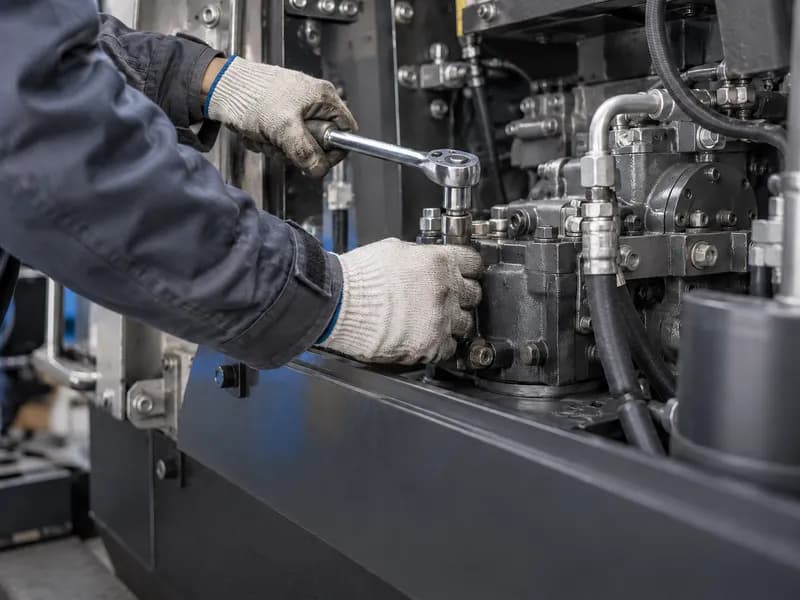
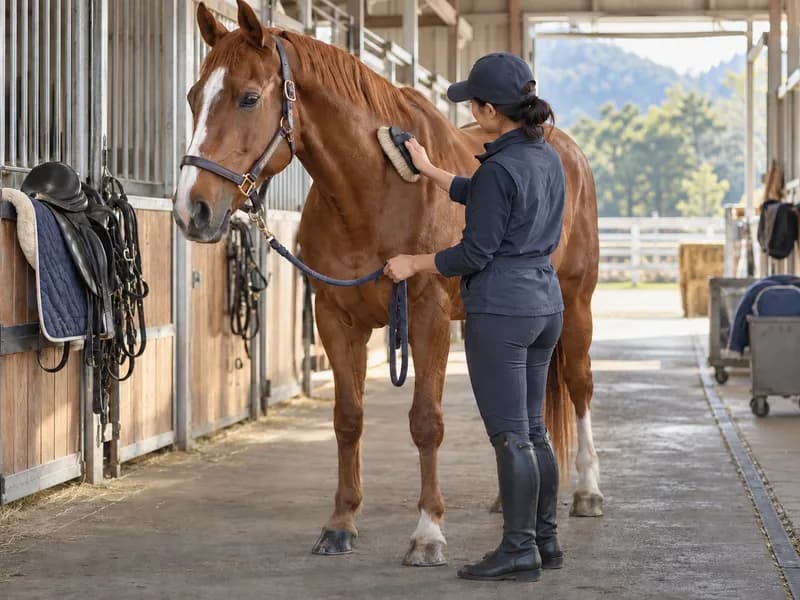
If it involves your hands, your tools, and a real place, it probably has value. These are some of the activities we capture today.



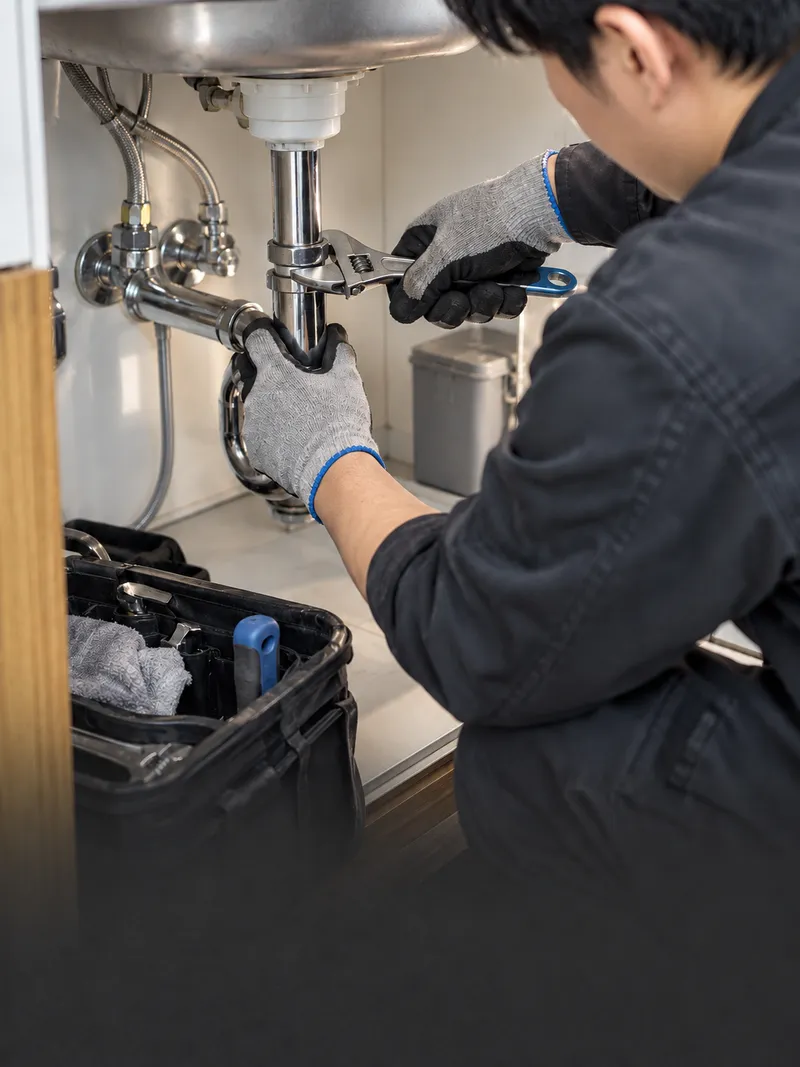
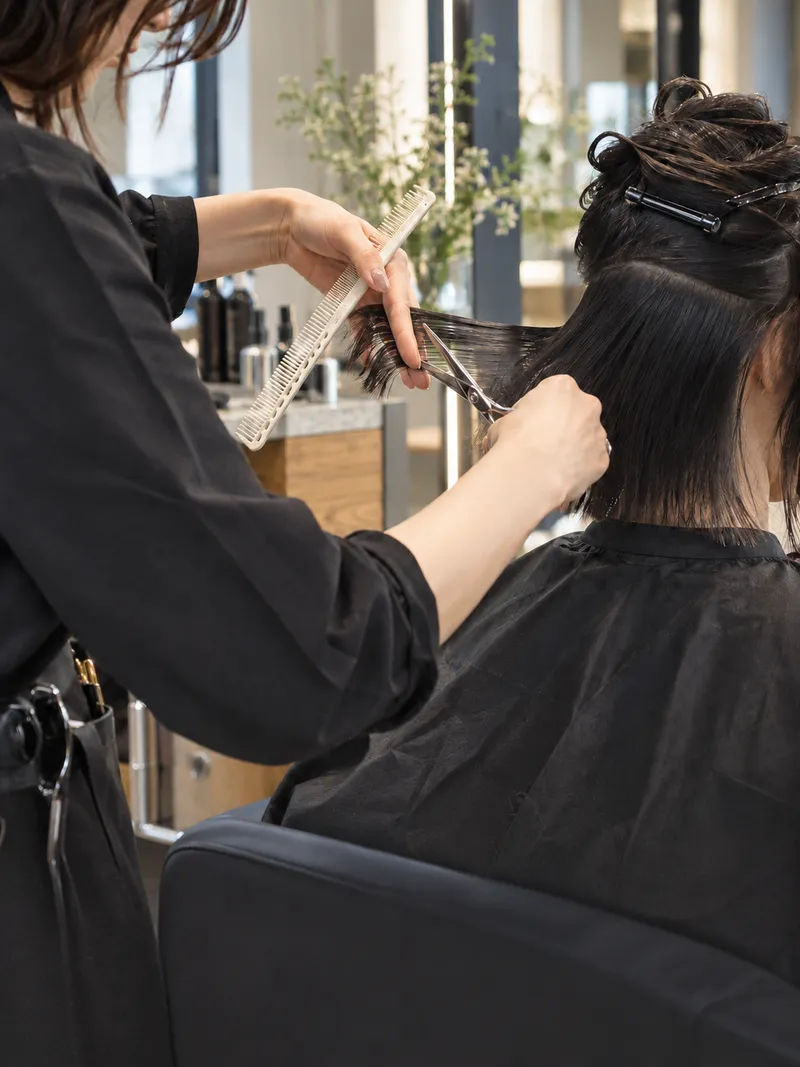
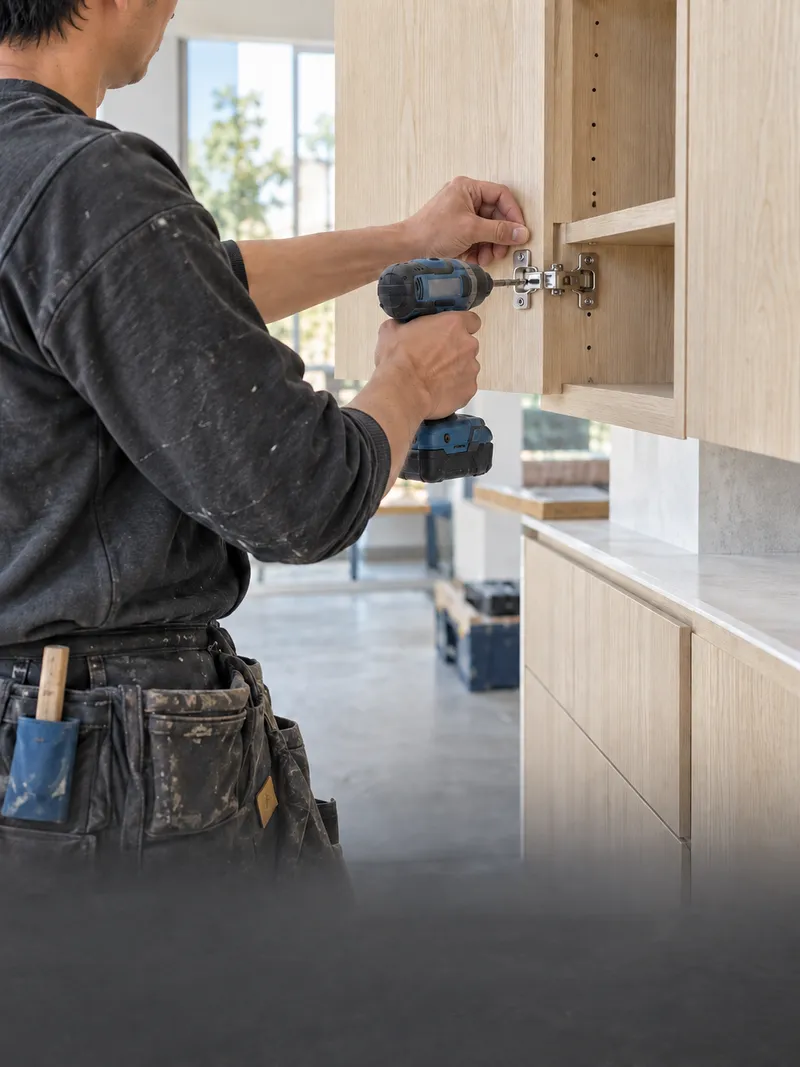

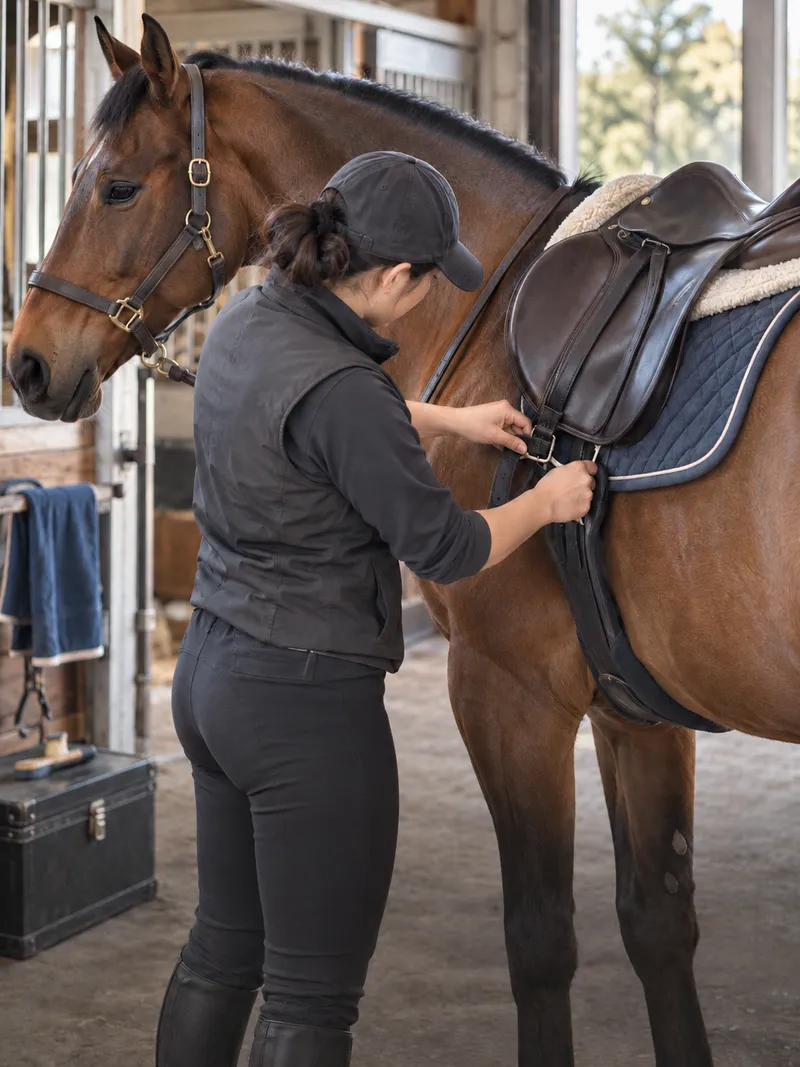
And thousands of other real-world activities.
Tell us what you doFour steps, and none of them are new to you.
Tell us what you do
Create a profile and tell us about your work, activities, and environment.
Get matched
When we need data matching what you do, Miso will invite you to participate and show you the compensation and requirements.
Record what you normally do
Miso provides the equipment and instructions. You perform the activity normally.
Get paid
Submit qualifying recordings and receive payment according to the project terms.
Registering does not mean immediate work. Miso is building a standing network of capture partners across the country, and we activate participants when their activity and environment match what a project needs. Some matches happen in weeks, some take longer.
AI has learned to understand the digital world. Now it needs to understand the physical one.
The internet created enormous amounts of text, images, and video for AI to learn from. But much of humanity's physical knowledge has never been written down.
That knowledge exists in people's hands. Miso Motion helps people capture it.
Earn from what you already know how to do.
Register your work and activities. When there is a matching data opportunity, Miso can invite you to participate.
Join as an individualTurn everyday work into an additional revenue stream.
Register the physical work happening inside your business and allow eligible employees to participate.
Compensation goes to the business. Employees still register individually and give their own consent before recording.
This is already happening.
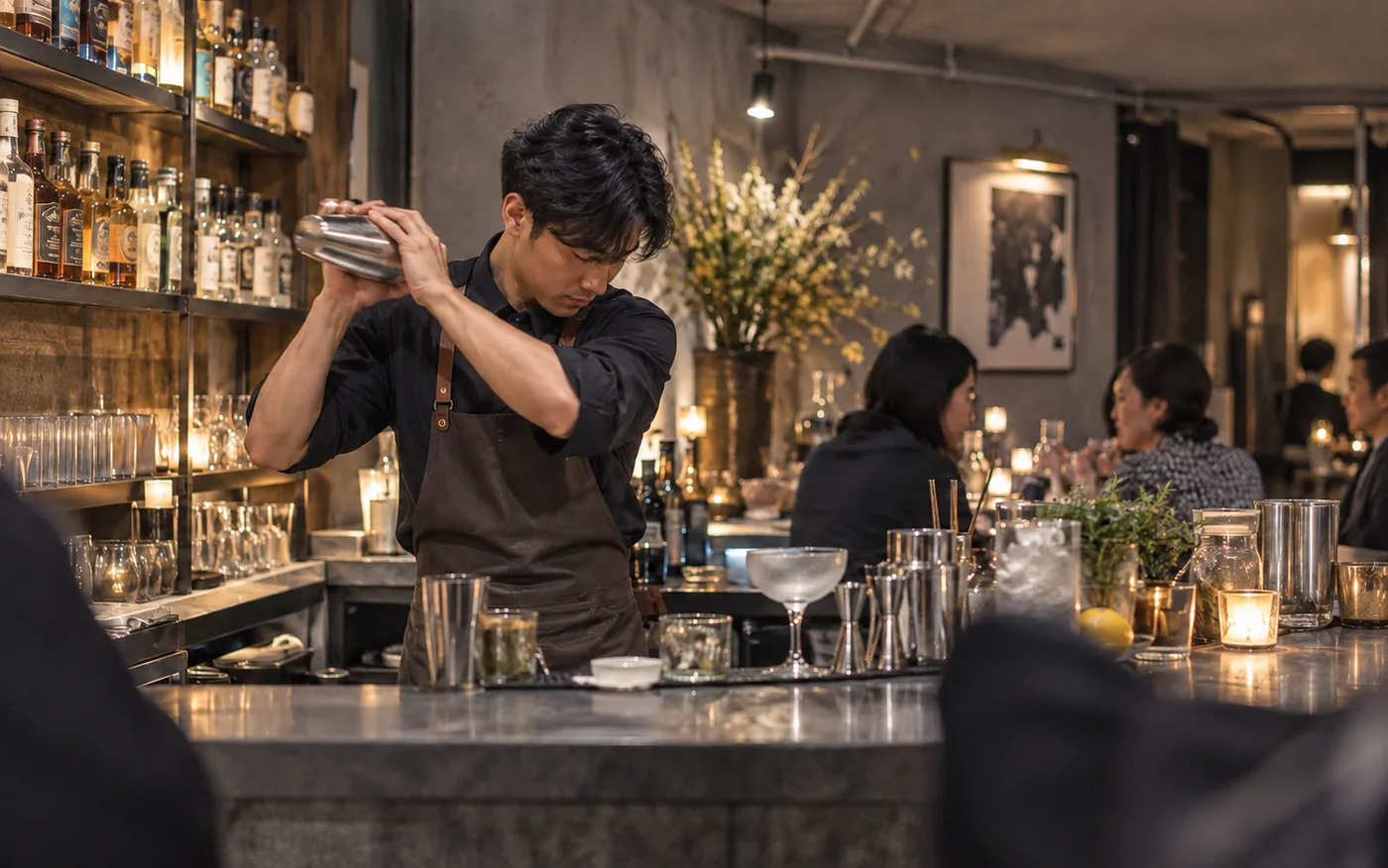
Bartending
Real bartenders recording cocktail preparation and bar work during normal shifts.
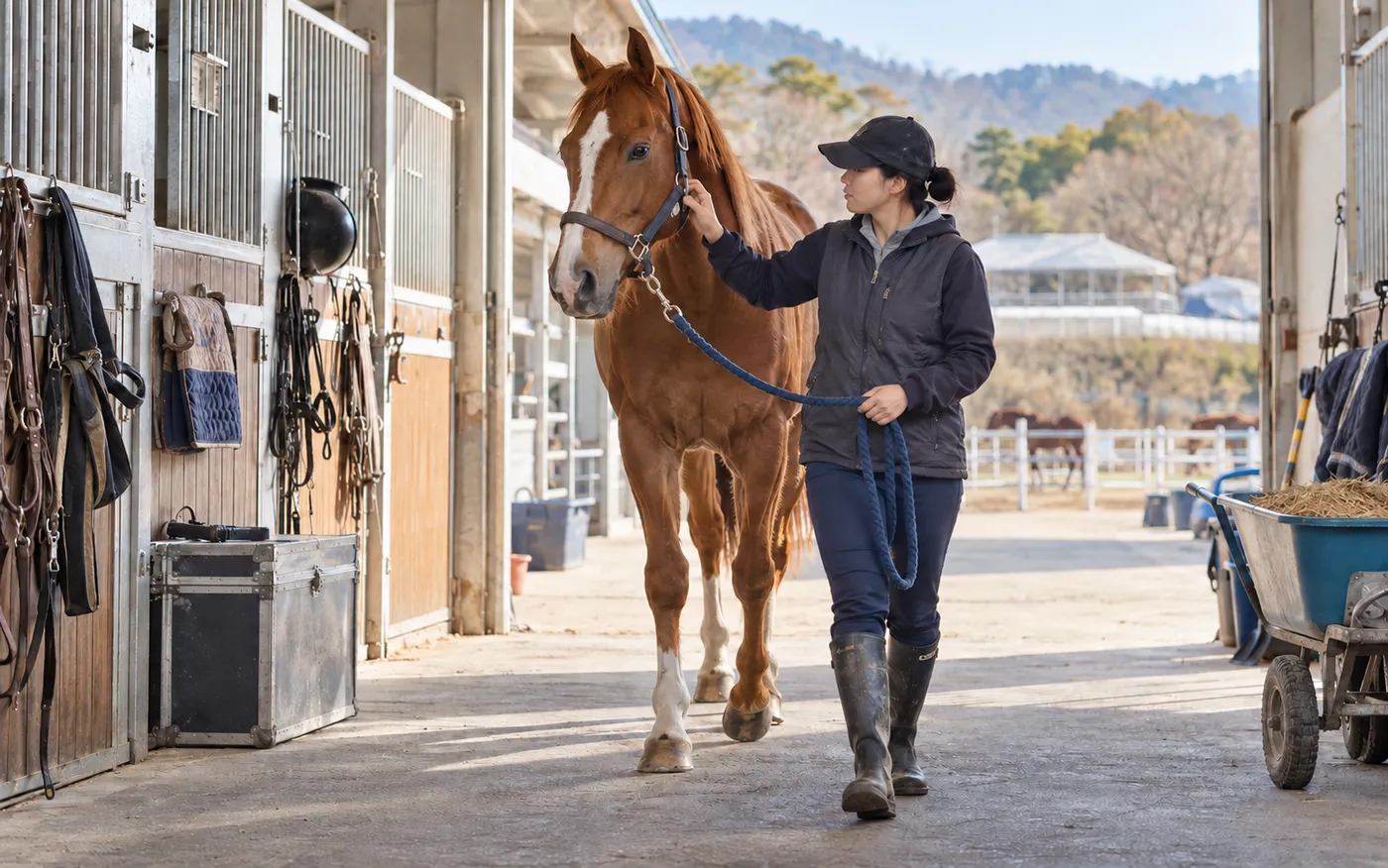
Horse training
Real trainers recording horse care, handling, and riding-related activities.
Capture responsibly.
Clear rules
Every capture project tells participants what can and cannot be recorded.
Consent
People and environments must meet the consent requirements for the project.
Secure handling
Recordings are handled according to defined data security and usage requirements.
Know before you participate
Participants see the activity, requirements, and compensation before agreeing.
Questions people ask.
Still unsure whether what you do qualifies? Tell us about your work and we'll let you know.
Who can participate?
Anyone 18 or older who regularly performs physical work, either on their own or through an employer. You don't have to be a specialist. You do need genuine access to the activity and the environment.
What kinds of activities can I record?
Hands-on physical work: making drinks, cooking, cleaning, repairing, styling, building, handling animals, moving goods. If you use your hands and tools in a real place, it likely qualifies.
Do I need AI experience?
No. You do the work you already know. Miso handles everything technical, from the equipment to the processing.
How are rates determined?
Accepted recording hours pay ₩5,000–₩15,000. Most projects are expected to pay around ₩8,000–₩10,000, and specialized activities or harder-to-source environments may pay more. You always see the exact compensation before accepting a project.
Do I need to own recording equipment?
No. Miso supplies the cameras and mounts for each project, along with setup instructions and support.
Does signing up guarantee a project?
No. Registering adds you to the network. We invite participants when a project matches what you do and where you do it. Some matches come quickly, others take longer.
Can I participate through my employer?
Yes. If your employer registers, they will send you a signup link. You still create your own participant profile and give your own consent.
Who gets paid when I participate through a business?
The business chooses at registration: either the business is compensated, or participating employees are paid individually. You see which model applies before you record.
What am I allowed to record?
Each project states it explicitly: the activity, the environment, the camera setup, and the duration. You see the rules before you accept.
What should I avoid recording?
Anything outside the project scope: people who have not consented, private documents, payment details, and any area the project marks off-limits.
What happens to the recordings?
They are reviewed against the project's quality bar, processed to remove faces and personal information, and delivered to the organization that commissioned the project under the terms you agreed to.
How and when am I paid?
After your recordings are accepted, on the schedule set out in the project terms. Submission and payment status are visible in your account.
Your work has value.
Get paid to help AI understand the real world.
Building AI? Work with Miso Motion →